
Methane targets cut, agricultural emissions tax ruled out

Some farmers breathed a sigh of relief, and others shook their heads after policy changes to New Zealand’s methane reduction approach were announced in mid October.
The government revealed new methane targets for 2050, and declared there would be no pricing for agricultural emissions.
A revised target range for biogenic methane (methane produced by living things, but mainly cattle and sheep) was set to 14% - 24% below 2017 levels by 2050.
The previous range was 24% to 47%, set by the 2019 government as an amendment to the Climate Change Response Act 2002.
“We’ve accepted a range of advice and worked closely with industry to agree [to] a practical target…,” Agriculture and Trade and Investment Minister Todd McClay said.
“Our primary sector earns nearly $60 billion in export revenue and provides more than one in ten Kiwi jobs.
By setting sensible targets and backing innovation, we’re ensuring New Zealand farmers remain world leaders in producing high-quality, safe, and sustainable food, while meeting our international commitments.”
The announcement came less than a week after major food corporation Nestlé announced it was leaving The Dairy Methane Action Alliance, a global commitment to reduce dairy emissions.
Nestlé has sourced New Zealand dairy for its internationally-sold products for over a century.
Federated Farmers Mid Canterbury president David Acland said farmers considered the original methane target range a bit “aspirational”.
“[But] there’s no point being aspirational if it's going to gut rural New Zealand.”
When farming becomes expensive, it takes a toll on the towns those farmers are a part of, he said.
“When those people are removed from rural New Zealand, then you see a reduction in the number of teachers, the number of nurses - rural service towns then become ghost towns.”
Acland said the new range was much more realistic for farmers.
“At the lower end (14%), that is very achievable.
“At the higher end (24%), it’s apparently a little more challenging, but still within the realms of possibility - we don’t know what technologies are going to come along.”
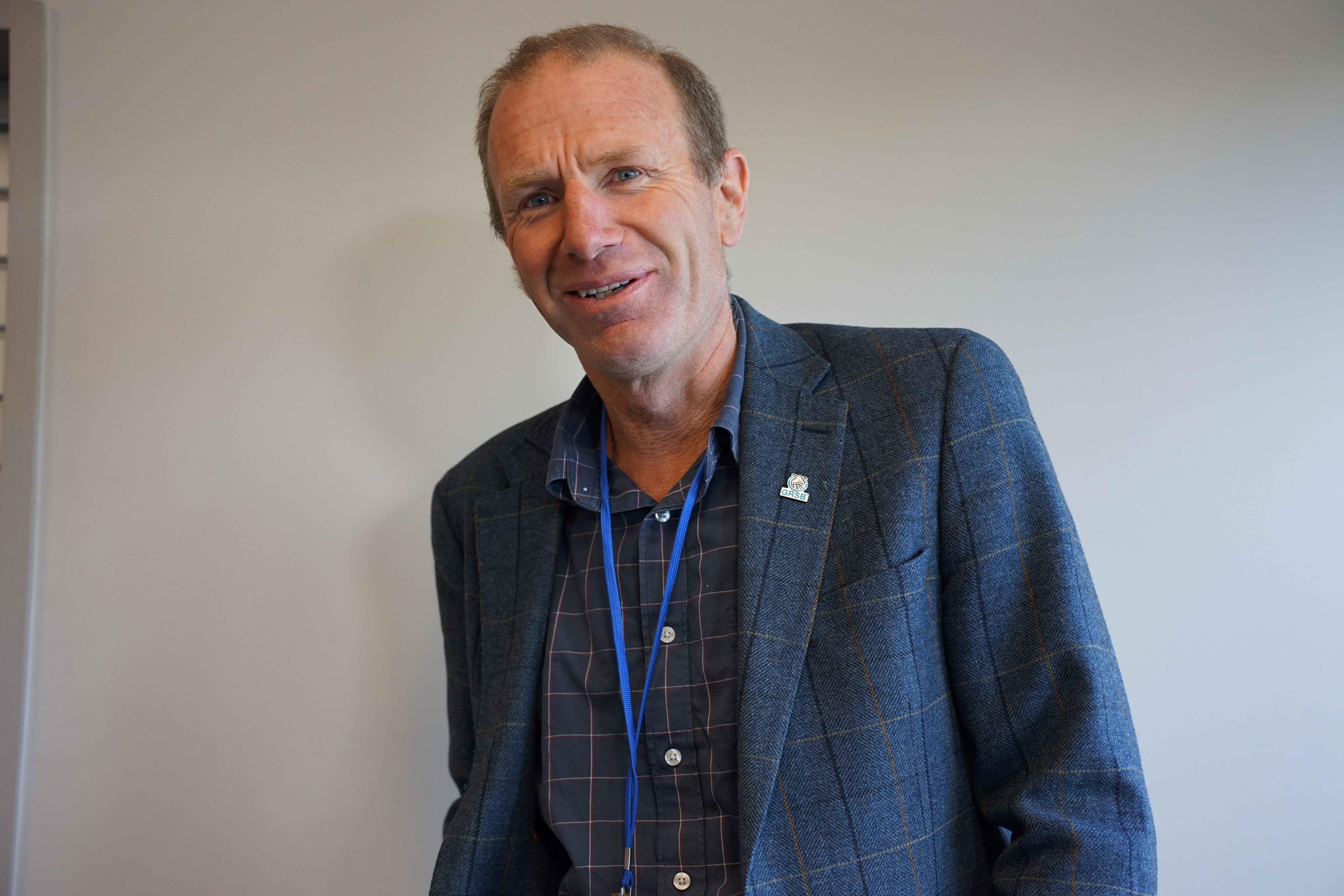
Acland felt the promise of no emissions pricing was the biggest weight of peoples’ shoulders.
But the reduction of methane targets, as opposed to the scrapping of them, has left a sour taste in some mouths.
“We’ve got this target that we have to work towards, we know we’re not going to get priced, which is outstanding, and we also know… that we will be able to reach these goals.
“Everyone’s happy-ish,” he said, “I don’t think everyone’s 100%.”
The government announced on the same day that $400 million would go towards methane-reduction tool research and development.
Environmental consultant and Groundswell spokesperson Jamie McFadden felt that funding was misdirected.
“New Zealand’s livestock are amongst the most methane-efficient in the world,” he said.
“A lot have focussed on the reduction, rather than the question of why we keep these methane targets in the first place.
“To me, they’re spending the money in the wrong place; they should be spending the money, actually doing stuff on the ground to look after our environment, rather than shoving boluses down cattles’ throats.”
McFadden said the $400 million would be better spent on restoring native forests and grasslands.
“New Zealand’s got a huge amount of native biodiversity on farms; compare that to anywhere else around the world.”
“[Like] down around Mid Canterbury, with the Mid Canterbury Catchment Collective, all the fantastic stuff that’s going on on farms at the moment…
He said the assumption that farmers would do "nothing" to care for the environment following the reduced targets was “disrespectful”.
“They imply that farmers are laggards; That’s because they’re so silo-focussed on methane.”
“Farmers don’t want to do nothing. Farmers are engaged in this and want to do good stuff for the environment.”
Also in the government's announcement was consideration for applying a split gas approach internationally.
A split gas approach means greenhouse gases would be monitored and managed separately; for example carbon dioxide pollution would be subject to different rules than biogenic methane.
New Zealand already applies a split gas approach domestically, but the government has pledged to apply this to future climate commitments made internationally.
Federated Farmers, DairyNZ and Beef + Lamb New Zealand have all welcomed the changes.
“B+LNZ has been calling for the targets to be revised… since the passage of the Zero Carbon Bill in 2019,” a statement from Beef + Lamb NZ read.
“In 2023 we led a joint project with Federated Farmers and DairyNZ to commission independent research… to measure the warming impact of NZ’s methane targets.
“[This] confirmed the targets were too high and helped build the case for the Government to appoint an independent panel of highly respected experts to review the science and targets for consistency with no additional warming.
“The panel reported back in December 2024, recommending the 14 to 24 percent range.”
Federated Farmers is welcoming major changes to New Zealand’s climate policy as a long overdue and practical step that will be well received by farmers.
"Kiwi farmers have been bogged down in completely unscientific, unaffordable and unrealistic climate policy for far too long," Federated Farmers president Wayne Langford said.
"This new target brings New Zealand’s climate policy in line with what the research tells us is actually required to stop Kiwi farmers contributing to further warming."
He said the promise of no agricultural emissions pricing was a “major step forward, and will be a huge relief for farming families who have had the threat of a massive tax hanging over our heads…”
DairyNZ chairperson Tracy Brown said strides had been made in the agri and agritech spaces to reduce emissions already.
“Methane emissions from dairy cattle are down 4.1 percent since 2017.
“Sustaining the viability of dairying, and agriculture in general, is critical to New Zealand’s future prosperity.”
By Anisha Satya