
Nelson Tasman: still in response mode

Nearly a month on from the first of two major floods that swept through the Tasman region in July 2025, the area remains firmly in response mode.
According to Richard Kempthorne, chairperson of the Rural Support Trust Top of the South branch, the second round of flooding dealt a harsh blow to properties already hit hard the first time.
“Some properties that were affected badly the first time were affected even worse with the second floods, it all just depended on how much water and where it cut in,” Kempthorne says.
The Trust has been busy assessing damage and surveying farmers, with a large number now seeking assistance.
“We have around 200 farmers who are wanting assistance clearing debris,” he said.
“They’ve got silt and gravel, and they’ve got fences down and they would like to recover or rebuild.”
To meet that need, the Trust is helping coordinate the Enhance Task Force Green programme - two groups of workers who will offer practical, manual labour support to those most in need.
“We are going to try and try and prioritise so the ones that need help most get it first.
“Landowners want to know that they haven’t been forgotten, and things are happening.”
As the adrenaline wears off and the full scale of the damage and the long road ahead becomes clear, many are beginning to feel the weight of uncertainty.
“Up until now everyone has been taking a breath and just seeing what is going on, but now it’s starting to get into the raw end where people have been waiting, not knowing what to do, or not having the money to do it.”
Kempthorne said the local council has been responsive and engaged in efforts to repair infrastructure and plan for future resilience.
“There is huge roading damage that they are repairing, and some of the rivers need major work because if nothing happens, it just opens the door for the river to go in the wrong direction when we have the next flood.”
The impact isn’t limited to farming.
Tourism operators are also suffering as visitors avoid the region despite some areas, like Nelson, largely returning to normal.
“In Nelson things are pretty much back into a new normal situation, so it’s well worth coming.
“A lot of tourist operators are wanting to engage with people who are wanting to come back into the region for tourism,” Kempthorne said.
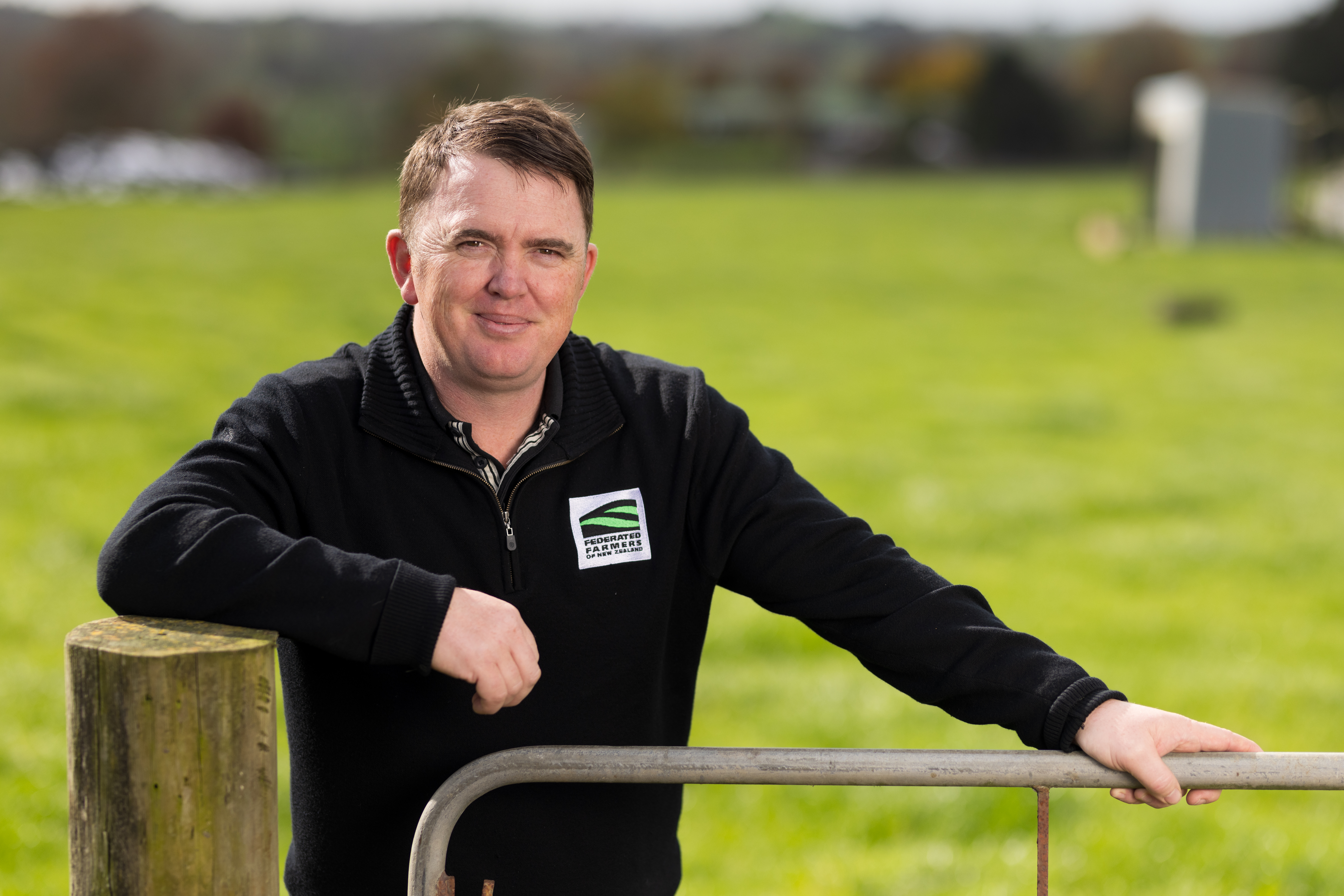
Federated Farmers welcome Government support
Federated Farmers have welcomed the announcement of a $600,000 Government support package aimed at helping flood-affected farmers across the Nelson Tasman region.
"This funding is desperately needed to support recovery efforts on the ground and will make a real difference for farming families," said Federated Farmers president Wayne Langford.
"We’re incredibly grateful that the Government have recognised this need early and taken practical steps that will allow clean-up work to get underway immediately."
The package includes $50,000 for the Farmers Adverse Events Trust, established by Federated Farmers, with donations from the farming community being matched dollar for dollar.
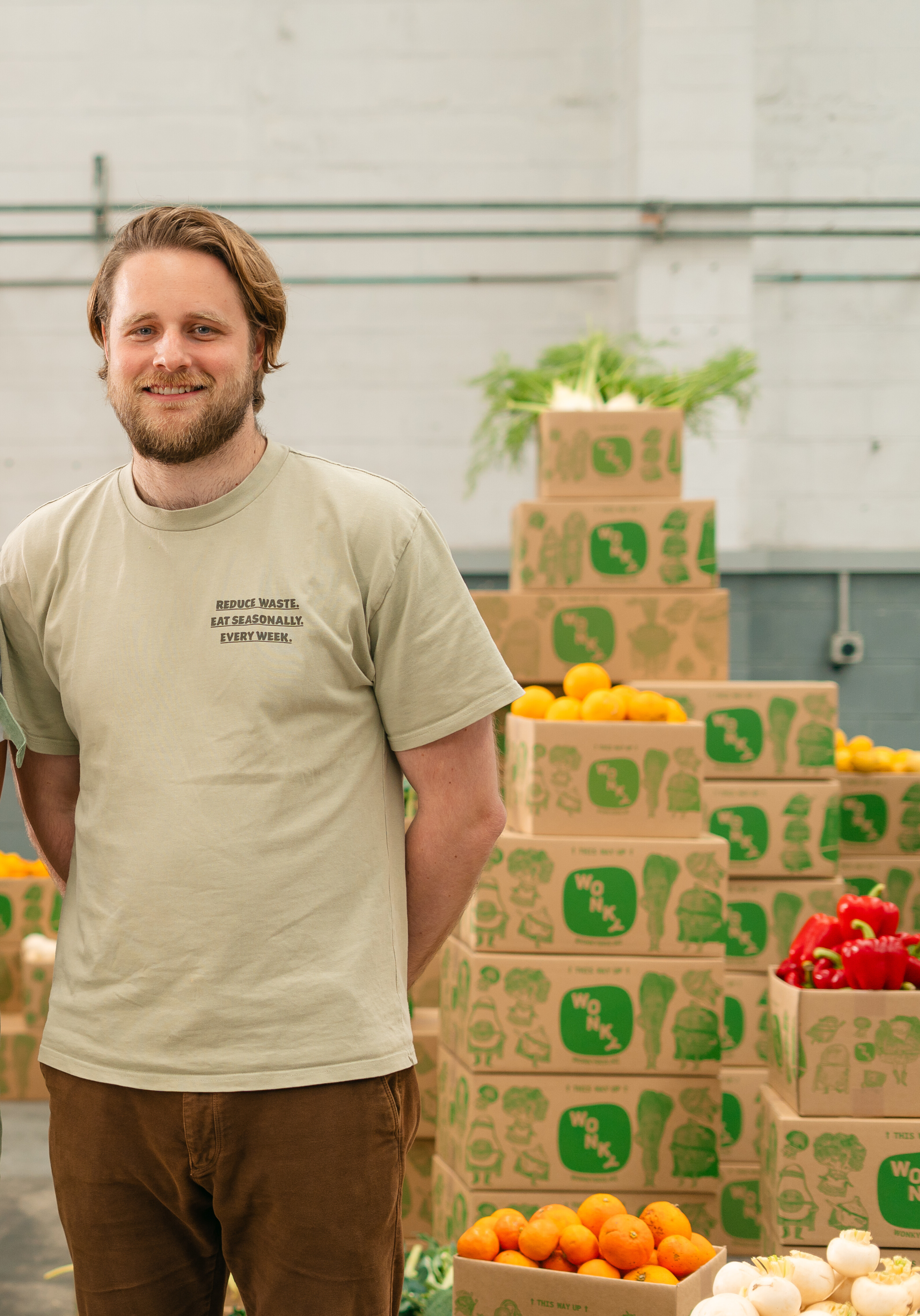
Vegetable Prices Set to Rise
Angus Simms, co-founder of vegie supplier Wonky Box says the floods highlight the vulnerability of the food chain and warns consumers can expect an increase in vegetable prices – although the effects may be delayed.
That’s because it’s not just what has been lost to flooding, but what can’t be planted when soils are saturated, and tractors and crews can’t access paddocks.
“This is particularly worrying for short-rotation vegetables like broccoli, lettuces, spinach and cauliflower, which rely on continuous sowing to keep supply steady,” Simms says.
“From a produce perspective, it’s not necessarily something we will see the effects of right now, but we will definitely feel the pinch a little later, because none of the growers have been out planting.
“That’s the real challenge.”
He said the damage is widespread and will likely result in substantial flow-on effects at the checkout.
“It’s not like it’s affecting a single greens grower.
“It’s affecting every grower and their neighbour, which means we will see a domino effect and in a few months’ time there will be a shortage of the likes of your local broccoli and lettuce.”
The second round of flooding, which brought higher winds along with more rain, also damaged orchards, although most had completed harvest.
“Although orchards were fortunate to have harvested their fruit for the year, the challenge will be around infrastructure.
“There was damage to a lot of infrastructure around orchards, and there were a lot of trees going over.”
By Claire Inkson
Need Help or Want to Donate?
If you're in the Top of the South and need assistance, reach out to the Rural Support Trust:
Phone: 0800 787 254
If you'd like to support recovery efforts, donations can be made to the Farmers Adverse Events Trust:
Account Name: Farmers Adverse Events Trust
Account Number:06-0594-0028181-30
Reference: Your name or organisation’s name
The Trust is a registered charity, and donation receipts are available. 100% of funds go directly to support farming families on the ground.