
RWNZ: How it all began

Get a cluster of rural women together over a cup of tea (or wine, for that matter), and they usually end up changing the world.
That’s exactly what happened in 1925, when a group of women were left to their own devices while their husbands attended a Farmers Union conference.
What they saw was a unique set of challenges facing rural women—isolation, limited access to healthcare, and a general lack of support.
So, they decided to act.
By the time the conference ended, 16 women had founded the Women’s Division of the Farmers Union (WDFU), later renamed Rural Women New Zealand (RWNZ).
They got straight to work.
The group’s first secretary, Mabel Johnson, handwrote and sent out 2,000 letters inviting rural women across the country to join.
Just one year later, 100 women gathered for the organisation’s first conference.
“When we talk about honouring our heritage as an organisation that’s 100 years’ old, it’s important to look back at the journey that we have had and remember why we were set up in the first place,” says RWNZ national president Sandra Matthews.
Funding was a challenge from the beginning—but the solution came straight from members’ kitchens.
“The fundraising legacy started with a cookbook,” Matthews said.
“They sold 11 editions from that first idea of a cookbook – and around 60,000 copies.”
In 1933, RWNZ launched a regular publication that would go on to become the Country Woman magazine.
“During the war, they kept producing that at a loss so members could stay informed with what was happening around the country around World War 2.”
It was during the war that Rural Women found their strength.
Affiliated with the Associated Country Women of the World (ACWW) since 1935, the organisation began producing woollen goods for the Merchant Navy.
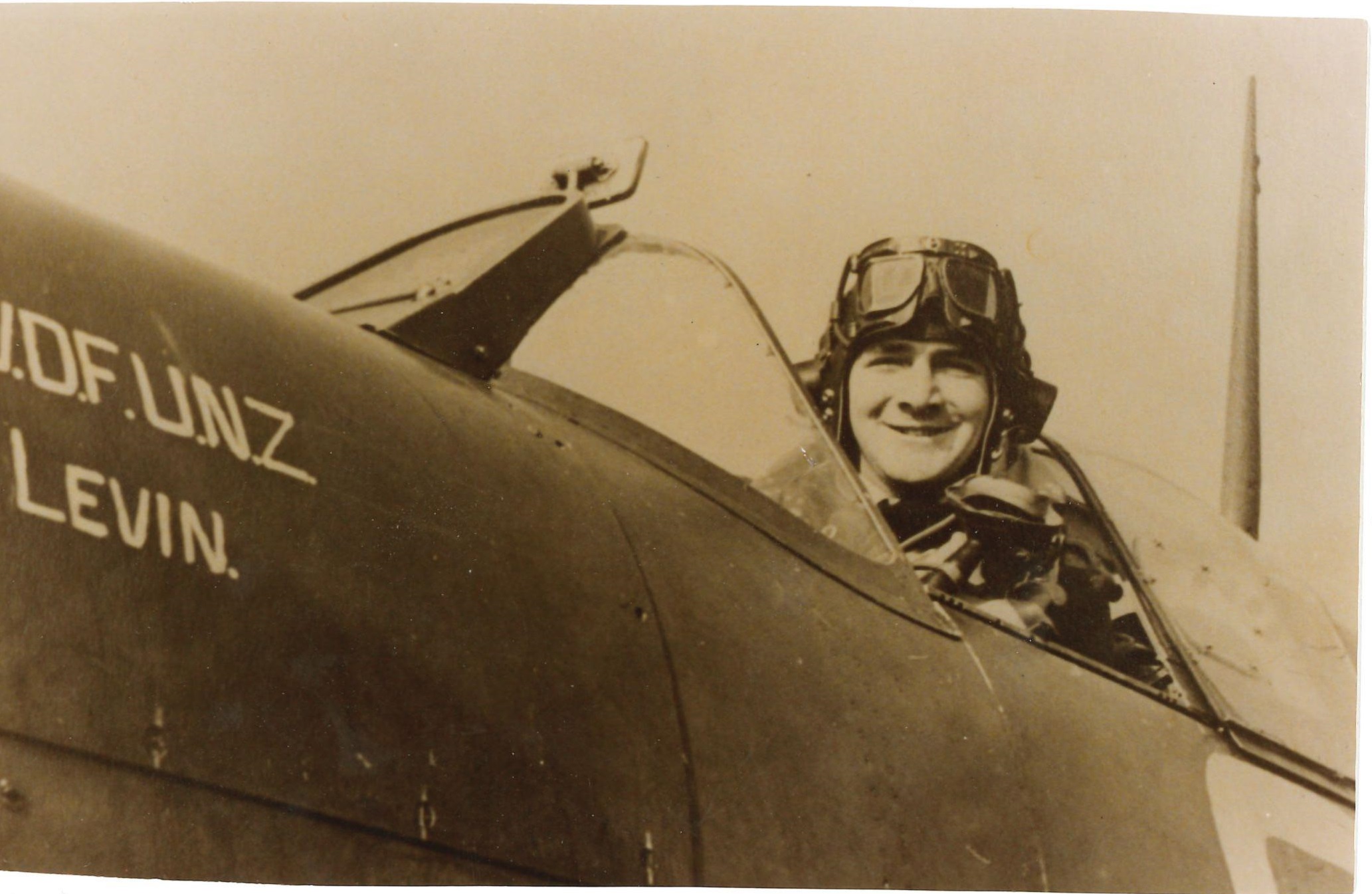
“They also raised around £5000 in one month to fund a spitfire, and that plane was inscribed with WDNZFU.
“One month to raise £5000 – that was just unheard of back then.”
In the 1950s, RWNZ purchased properties and converted them into rest homes to provide respite care for rural women, with fees subsidised for those in need.
The 1960s brought a tide of cultural and societal change, and RWNZ embraced it.
“They started to champion equal pay – which is an interesting topic at the moment,” Matthews said.
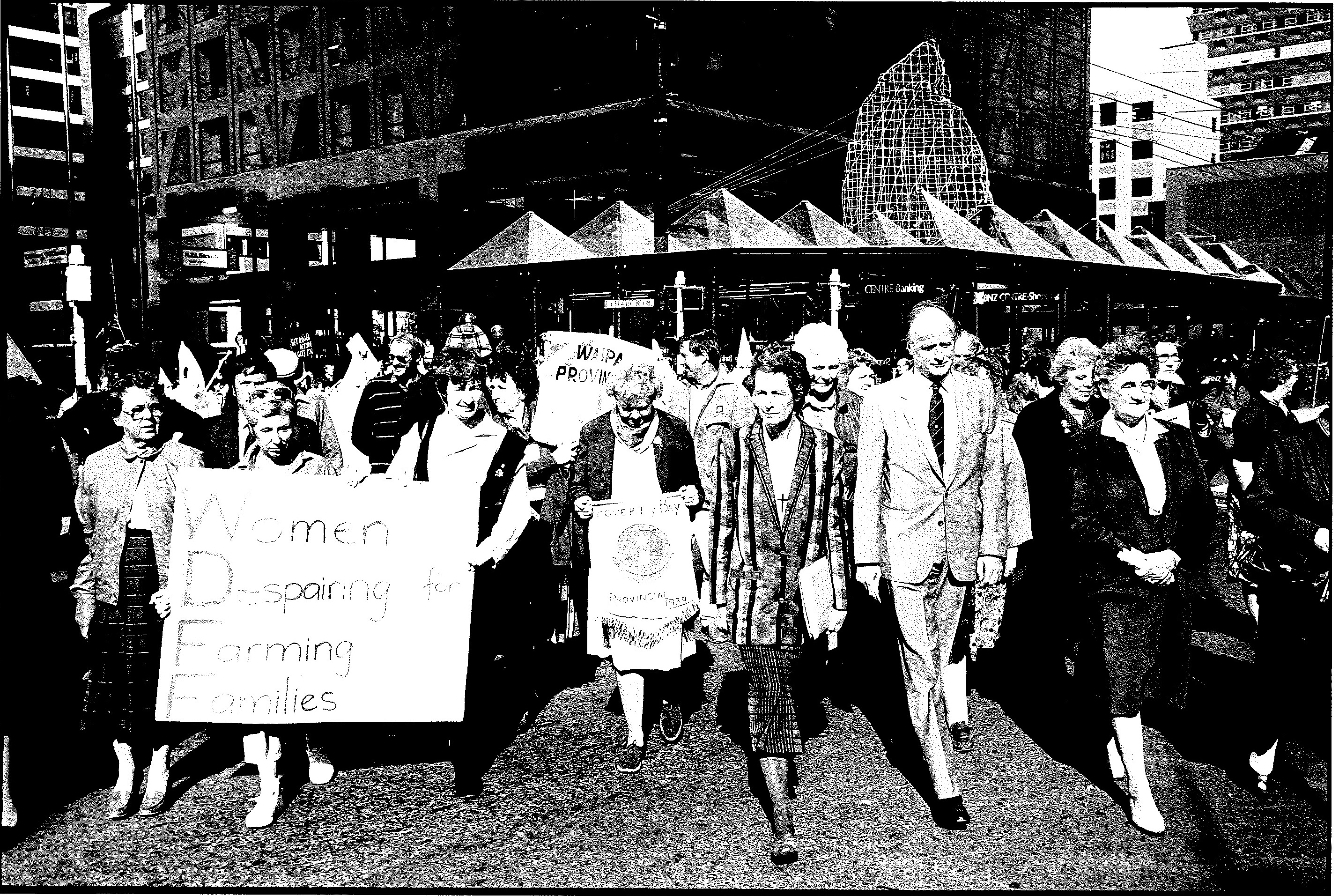
They advocated for improved maternity care, family planning, access and rural safety – everything to do with women’s rights and wellbeing.
“And we are still advocating for those today.
“That was the sixties, and we are still talking about it, we are still trying to get equality in those areas today.”
In the 1970s, the focus widened again: mental health, GP shortages, domestic violence - issues still critical in rural communities today.
The organisation also began fundraising for research into a vaccine for Leptospirosis, sparking an ongoing partnership with Massey University.
“In the 1970s, RWNZ started fundraising for Leptospirosis research for a vaccine, and we are still in partnership with Massey University today – we still research and fundraise around that.”
It was also in the 1970s that a new guiding principle began to emerge.
“The 1970s was also when the organisation started talking about the concept ‘service simply given’ – something that remains at the heart of the organisation today.
It means you are in service to the community, and you don’t question why you do it, you just do it because you know it’s the right thing to do, and you don’t ask for reward.”
Over the past century, RWNZ has played a crucial role in supporting rural communities in times of crisis.
“In the aftermath of the likes of the Christchurch Earthquakes and Cyclone Gabbrielle, RWNZ was in their boots and all right at the start to support the rural communities that were being affected.”
In 2014, the organisation sold Access Home Help, releasing funds that continue to sustain its work today.
Those funds now support community grants, school garden initiatives, long-term rural support programmes, and operational costs.
“What I’ve found reflecting and gathering information around what RWNZ has done over the last hundred years is that it’s pretty amazing – and we haven’t sung it from the rooftops.
“One of the things the centennial can do is show people out in rural communities and primary industry understand the impact and importance of RWNZ,” Matthews said.
By Claire Inkson