Bird flu is here

Bird flu has been detected in New Zealand.
The H5 bird flu strain has been circulating globally, with more than a dozen cases reported in Australia since it was detected there last month.
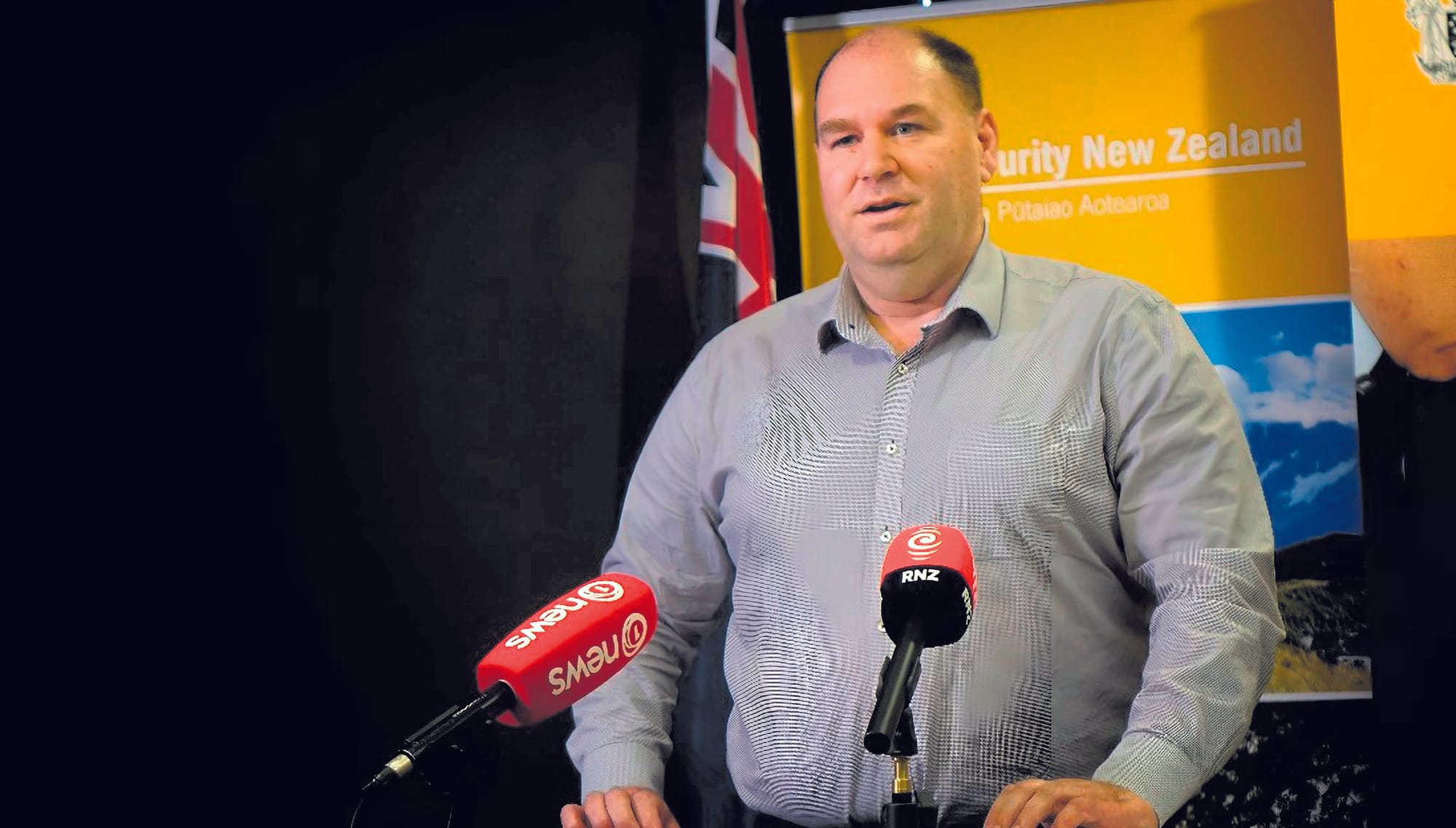
Biosecurity Minister Andrew Hoggard said a single ocean-going seabird - a brown skua - returned a positive test for H5N1 bird flu on Wednesday after it was found on Petone Beach in Wellington.
There was a low health risk to the public, he said, as it rarely affected humans unless there was direct, close, and prolonged contact with large numbers of sick birds.
Hoggard said eggs and poultry remained safe to eat.
"There is no evidence of any mass mortality in wildlife or transmission between wild birds in New Zealand. There has been no detection in poultry," he said.
"The situation is being closely monitored, but at this stage there is no evidence of any illness beyond this seabird. We've had people out on Petone Beach checking and found no other issues."
They would continue to monitor the beach and surrounding areas, Hoggard said.
"We ask the community to be alert and follow advice about reporting sick or dead birds. It is vital that people do not touch or handle unwell birds."
Hoggard said New Zealand was well prepared to respond to H5 bird flu, and government agencies had been working with industry and councils to protect poultry production, wildlife and communities.
Ministry for Primary Industries (MPI) was testing birds every few days through reports and targeted wildlife surveillance, Hoggard said.
"While there are no detections in poultry, producers are reminded that on-farm biosecurity practices are crucial to protect the health of their flocks."
Australia had not reported any mass morttalities, having only found single sick birds, he said.
"We may see a similar pattern here and we will remain vigilant."
Speaking at a media conference late this afternoon, Hoggard emphasised that there had been a lot of preparation under way for this discovery.
"I feel like we are very well prepared for this disease arriving here, we are effectively the last place in the world to get it. We've been able to see how it's impacted other countries around the world. In terms of being prepared, we're as prepared as we possibly can be.
"It's spread all across the globe, everyone else has learned how to live with it, we're going to go through that process now as well."
MPI chief veterinary officer Mary van Andel said the live bird was found on the beach by a member of the public on 10 July, and the bird was then taken to Wellington Zoo where it was tested.
"It wasn't reacting as you would expect a wild bird to do, it was allowing people to approach it, those types if things."
She said the risk to humans who had minimal contact with an infected bird was very low.
Hoggard said there would "undoubtedly" be more cases showing up on the shorelines.
"And that's why it's important that the message is out there for people - report it in, give us the information, we can send people around with the proper protective gear."
Hoggard said the worst-case scenario would be a number of infections within some major production facilities.
"And that's why we've been so adamant on working towards making sure we've got plans in place and working with the industry for a good couple of years now on building up plans and the preparation so that doesn't happen."
Poultry Industry Association chief executive Fiona MacMillan told Checkpoint it was not inevitable the disease will spread - but the risk had increased.
She said the industry was focused on avoiding it getting into commercial flocks by checking their biosecurity systems to be as ready as possible.
New Zealand's poultry meat and egg production industry has a population of about 12 million birds.
The Department of Conservation had also begun vaccinating 300 core breeding birds from five of the countries most endangered birds - kākāpō, takahē, tchūriwat'/tūturuatu/shore plover, kakī/black stilt and kākāriki karaka/orange-fronted parakeet.
What to do if you see sick birds
Hoggard asked people to keep an eye out for sick or dead birds, and warned not to touch them.
He said birds behaving strangely, or a number of birds who had died together, would be the main signs to watch out for.
"Take photos, get a GPS spot if you can, send it through to us, that's the information we need. Obviously don't go and pick it up yourself. Let us know and we'll send the right people around to do it.
"If you are a poultry farmer and you have concerns, obviously talk to your vet and they'll talk to us. Even if you've just got a few chickens in the back yard and you're concerned, talk to your vet."
Officials said anyone who sees three or more sick or dead wild birds in a group should report it immediately to the exotic pest and disease hotline on 0800 80 99 66.